
Stop Water Damage Before It Spreads
Professional structural drying and dehumidification services for Granbury & Weatherford, TX, properties affected by water damage.
When water enters your Weatherford home through a burst pipe or appliance failure, the clock starts immediately on drying every surface it touched. What you see pooling on the floor is only part of the problem—moisture soaks into drywall cavities, seeps under baseboards, and saturates subflooring in ways that aren't visible until mold appears or wood begins to rot. Crain Restoration Services uses professional-grade dehumidifiers, air movers, and moisture meters to fully dry walls, flooring, and structural components before hidden damage takes hold.
This service follows water damage mitigation and focuses entirely on removing moisture trapped inside your home's structure. In Weatherford, where slab foundations and wood-frame construction are common, moisture can migrate quickly through porous materials and create problems days or even weeks after the initial water event. We use moisture mapping to track exactly where water has traveled, then position equipment to pull that moisture out of walls, ceilings, and floors. The process typically runs continuously for several days, with daily monitoring to confirm drying progress and adjust equipment placement as conditions change.
If your Weatherford property has experienced water intrusion and you need fast, thorough drying to prevent long-term issues, contact Crain Restoration Services to schedule an assessment and begin stabilization.
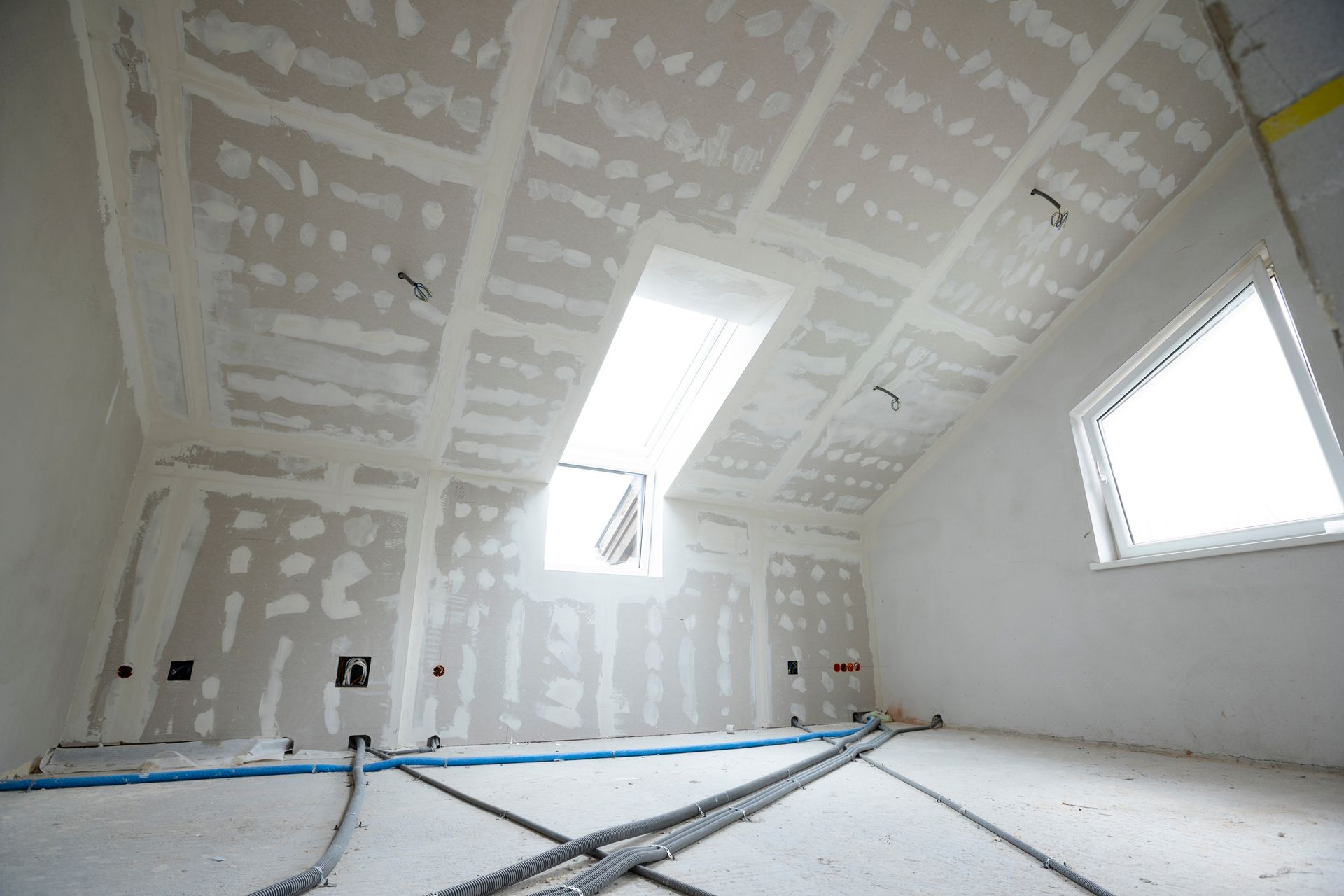
How Equipment Placement Controls Hidden Moisture
Your Weatherford home's drying plan starts with a full moisture assessment using handheld meters that measure moisture levels inside walls, beneath flooring, and along ceiling joists. Once we know where water has traveled, we place air movers to increase airflow across wet surfaces and position commercial dehumidifiers to extract humidity from the air. The combination creates an environment where moisture evaporates from materials and gets pulled out of your home rather than settling deeper into the structure.
After a few days of continuous drying, you'll notice that walls feel cooler to the touch, floors no longer feel spongy underfoot, and the musty smell that often follows water damage begins to fade. Moisture readings drop into safe ranges, and materials that were swollen or soft start to stabilize. This service is critical for preventing mold growth and long-term structural issues that can compromise your home's integrity and require far more extensive repairs down the line.
We also document moisture levels throughout the process, which supports the insurance claims process and provides a clear record of drying progress. In Parker County, where flash flooding and plumbing failures are frequent causes of water loss, having accurate documentation helps reduce delays and ensures that your claim reflects the full scope of mitigation work. Our team is experienced with crawl spaces, attics, and the specific construction methods used in North Texas homes, so we adjust drying strategies based on what your property actually needs.
Questions homeowners ask before starting the drying process
Homeowners in Weatherford often have specific questions about how long drying takes, what equipment will be in their home, and what happens if moisture is left behind. These answers address the most common concerns we hear before beginning structural drying work.
How long does structural drying usually take?
Most residential properties require three to five days of continuous drying, though larger water losses or high-humidity conditions can extend that timeline. We monitor daily and adjust equipment until moisture readings confirm that all affected materials are fully dry.
What equipment will be running in my home?
You'll have air movers that look like large floor fans positioned to direct airflow across wet surfaces, along with commercial dehumidifiers that pull moisture from the air. Both run continuously and will increase your electricity usage temporarily, but they're necessary to prevent mold growth and structural damage.
Why can't I just open windows and let things air out?
Opening windows in Weatherford's humid climate can actually slow drying by introducing more moisture into your home. Professional equipment controls airflow and humidity levels in a way that accelerates evaporation and removes moisture efficiently, especially from hidden areas like wall cavities and under flooring.
What happens if drying is incomplete?
Incomplete drying leaves moisture trapped in materials, which creates conditions for mold growth, wood rot, and long-term structural deterioration. It can also cause flooring to buckle, drywall to crumble, and odors to develop weeks after the initial water event.
Will you move furniture and belongings during drying?
We move items as needed to place equipment effectively and ensure airflow reaches all wet surfaces. Contents that were affected by water are typically moved to a dry area or removed entirely, depending on the extent of the loss and your restoration plan.
Crain Restoration Services provides structural drying throughout Weatherford and surrounding Parker County communities, with fast scheduling to stabilize properties quickly after water loss. If your home has been affected by a plumbing leak, appliance failure, or storm-related water intrusion, reach out to discuss your situation and set up a moisture assessment.