
Stop Moisture Before It Reaches Living Spaces
Crawl space and basement moisture control services for Granbury & Weatherford, TX, homes dealing with humidity, mold, and structural concerns.
Moisture problems in Weatherford crawl spaces don't stay contained—they migrate into your HVAC ductwork, soak into floor joists, and push humid air into living areas where it causes musty odors and mold growth. In Parker County, where soil conditions and seasonal rainfall create drainage challenges, crawl spaces often collect water that sits long enough to rot wood framing, damage insulation, and compromise indoor air quality. Crain Restoration Services addresses excess moisture in crawl spaces and basements through mitigation, vapor barriers, drying, and humidity control designed to protect the structural integrity of your home.
This service works both as a preventative measure and as a solution after water intrusion events. If you've noticed sagging floors, visible mold on floor joists, or a persistent damp smell coming from below your home, moisture is already causing damage. We assess the source of the problem, whether it's groundwater seepage, poor drainage, or condensation buildup, and then implement solutions that keep moisture out and humidity levels under control. Vapor barriers are installed over exposed soil to block ground moisture, dehumidifiers reduce ambient humidity, and damaged materials are dried or replaced as needed to restore structural stability.
If your Weatherford home has a crawl space or basement showing signs of moisture buildup, contact Crain Restoration Services to schedule an inspection and discuss long-term moisture control options.
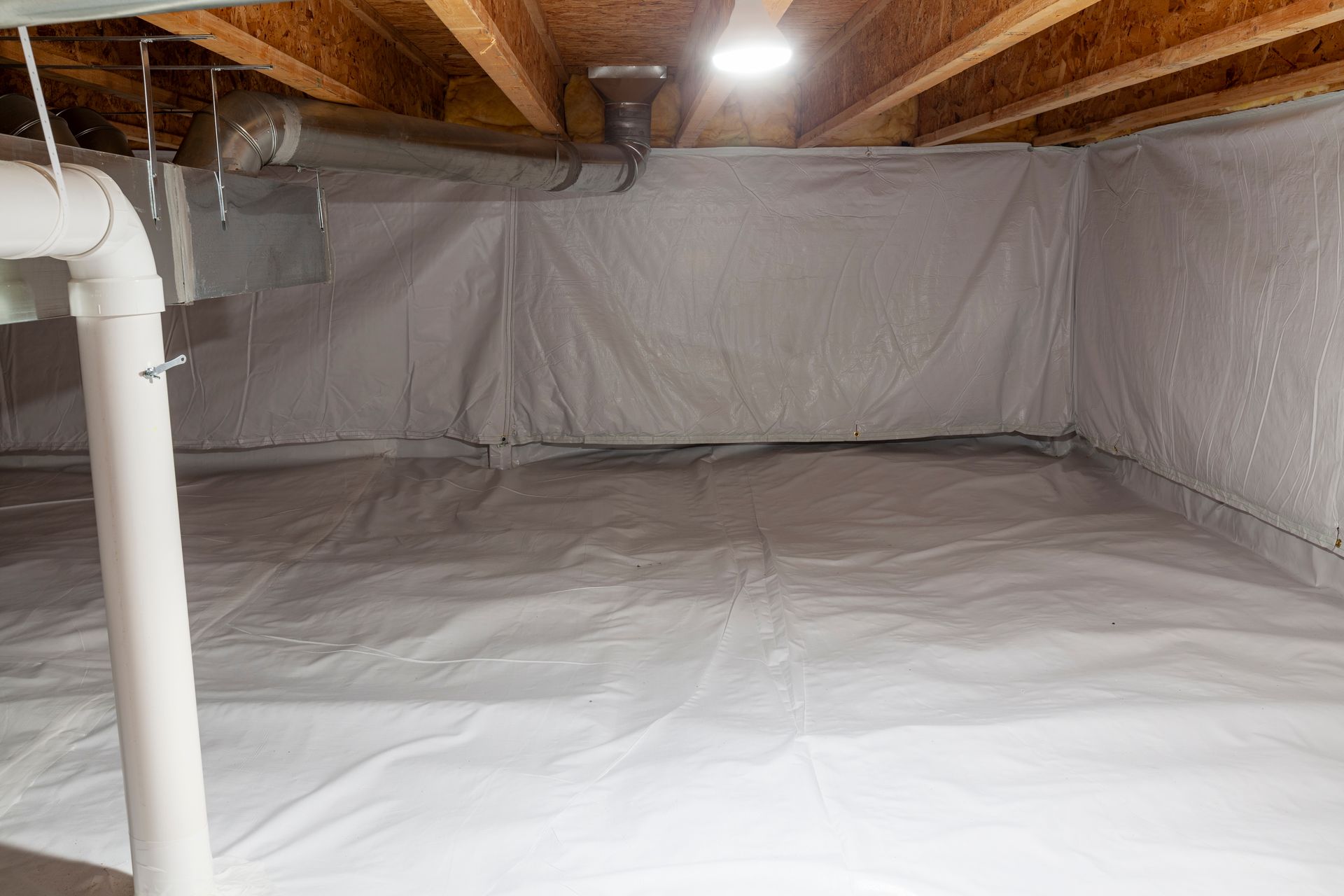
What Effective Moisture Control Looks Like Below Your Home
Your Weatherford crawl space inspection includes checking for standing water, measuring humidity levels, and examining floor joists and insulation for signs of mold or rot. If water is present, we extract it and set up drying equipment to bring moisture levels down before installing long-term controls. Vapor barriers are laid across the crawl space floor to prevent ground moisture from evaporating into the air, and in cases where humidity remains high, we install dehumidifiers that run continuously to maintain safe levels year-round.
Once moisture control measures are in place, you'll notice that floors above the crawl space feel warmer in winter and less humid in summer, musty odors that filtered into living areas disappear, and HVAC systems run more efficiently because they're not pulling in damp air from below. Wood framing that was soft or discolored begins to stabilize, and insulation that was compressed or falling due to moisture weight can be replaced with materials that stay dry and effective. These improvements protect your home's structure and reduce long-term repair costs.
Moisture control improves indoor air quality, especially in older Weatherford properties where crawl space vents were designed to encourage airflow but often let in more humidity than they remove. Our solutions are tailored to North Texas climate conditions, accounting for seasonal rainfall patterns and the clay-heavy soils common in Parker County. This service is particularly valuable after heavy rains, plumbing leaks, or any situation where water has entered the crawl space and hasn't dried on its own.
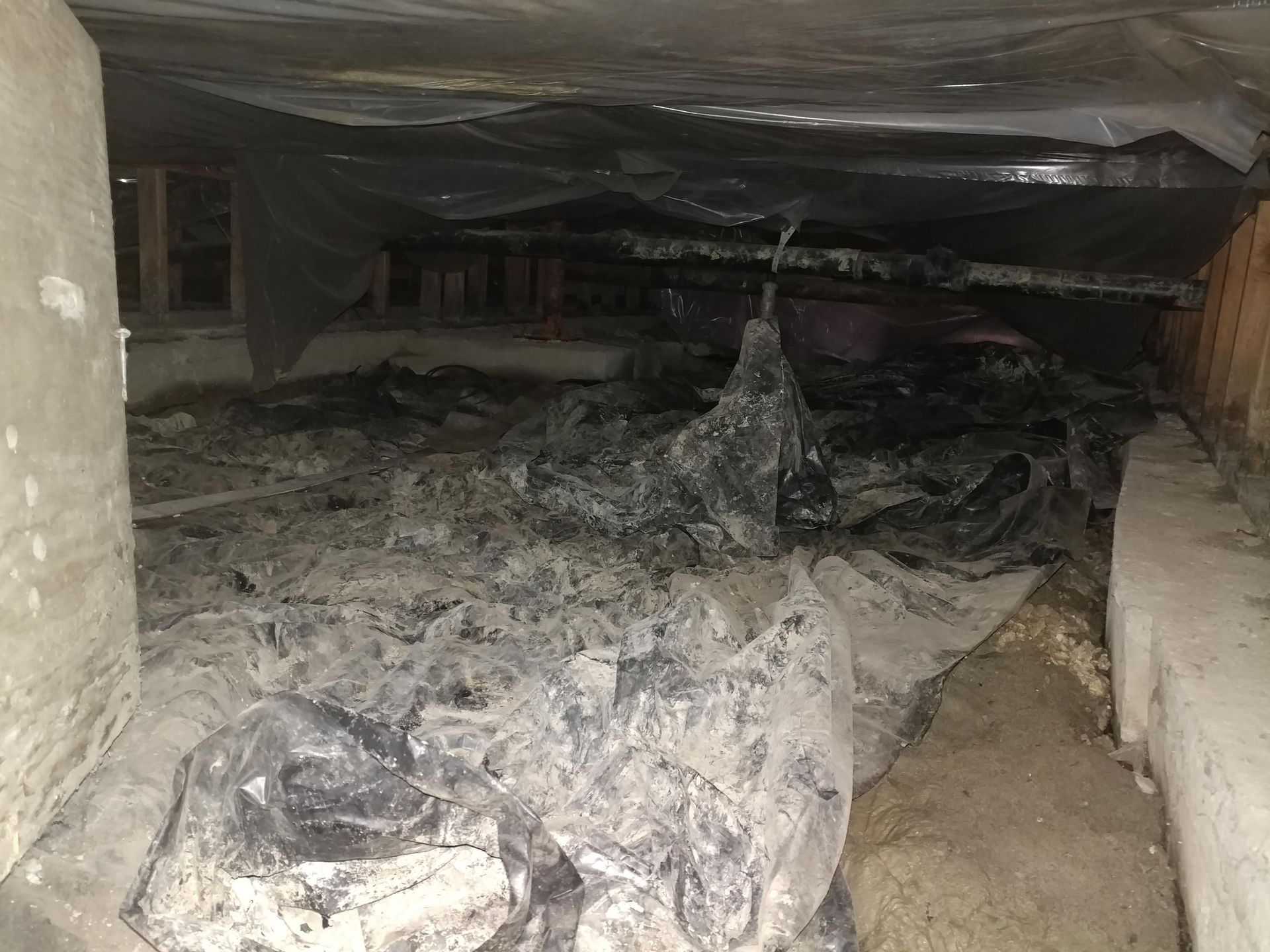
Concerns people have about crawl space conditions
Weatherford homeowners often ask how moisture gets into crawl spaces, whether vapor barriers really work, and what happens if moisture problems are ignored. These answers address the practical realities of managing moisture below your home.
What causes moisture to build up in crawl spaces?
Groundwater seepage, poor drainage around the foundation, plumbing leaks, and condensation are the most common sources. In Parker County, clay soil retains water and pushes it toward foundations, especially after heavy rain.
How does crawl space moisture affect the rest of my home?
Moisture evaporates from the crawl space and rises into living areas through floor gaps, HVAC ducts, and wall cavities. This increases indoor humidity, causes musty odors, and creates conditions where mold can grow on walls, ceilings, and furniture.
What does a vapor barrier actually do?
A vapor barrier is a thick plastic sheet installed over exposed soil in your crawl space to block moisture from evaporating into the air. It keeps humidity levels lower and prevents moisture from reaching wood framing and insulation.
How long does moisture control equipment need to run?
Dehumidifiers may need to run continuously if your crawl space is prone to high humidity, especially during Weatherford's wet season. We set them to maintain safe humidity levels automatically, so they cycle on and off as needed without constant monitoring.
Can moisture control prevent future mold growth?
Yes, controlling humidity and blocking ground moisture removes the conditions mold needs to grow. If mold is already present, we address it during the mitigation process, then install controls that keep humidity low enough to prevent recurrence.
Crain Restoration Services provides crawl space and basement moisture control throughout Weatherford and surrounding Parker County areas, with solutions appropriate for North Texas climate conditions and local construction methods. If you've noticed signs of moisture below your home or want to prevent future problems, get in touch to schedule an inspection and review your options.