
Salvage Floors Before Replacement Becomes Necessary
Carpet and floor restoration services in Granbury & Weatherford, TX, for water-damaged flooring, padding, and subflooring.
Water doesn't just sit on top of your flooring—it soaks through carpet fibers, saturates padding, seeps between hardwood planks, and penetrates the subfloor beneath. In Weatherford homes, where a burst pipe or failed water heater can release gallons in minutes, the difference between salvaging your floors and tearing them out often comes down to how quickly you start the drying process. Crain Restoration Services uses specialized drying techniques to restore water-damaged carpet, padding, hardwood, laminate, and subflooring when conditions allow, helping you avoid the cost and disruption of full replacement.
This service begins with an assessment of what's salvageable based on the type of water, how long it's been sitting, and the condition of the materials. Clean water from a supply line is far easier to manage than contaminated water from a washing machine overflow or external flooding. We extract standing water, remove damaged padding if necessary, and set up drying equipment that targets both the surface and the subfloor beneath. In many cases, carpet can be saved if drying starts within 24 to 48 hours, and hardwood can be stabilized if moisture is controlled before warping or cupping becomes permanent.
If water has affected flooring in your Weatherford home and you're not sure what can be saved, contact Crain Restoration Services for an honest assessment and a plan that protects your investment.
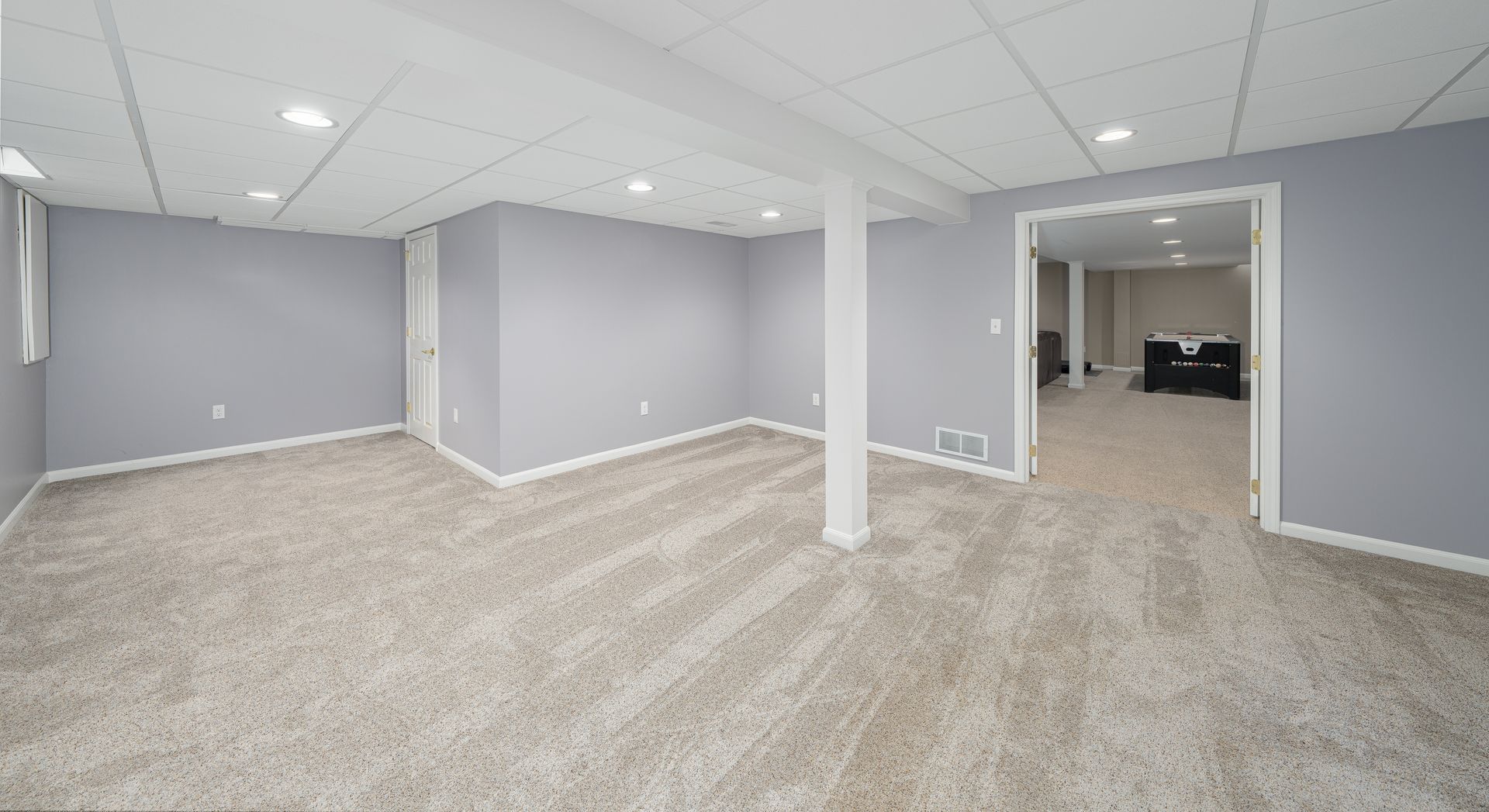
What Changes After Flooring Is Dried Correctly
Your Weatherford property's flooring restoration starts with water extraction using truck-mounted or portable systems that pull moisture from carpet fibers and underlayment. If padding is saturated or contaminated, we remove and replace it to prevent odor and bacterial growth. For hardwood, we use specialized floor drying mats that create suction over the surface, pulling moisture out of the wood without having to remove planks. Air movers are positioned to circulate air beneath carpet and across hardwood surfaces, and dehumidifiers control humidity levels to prevent warping or buckling.
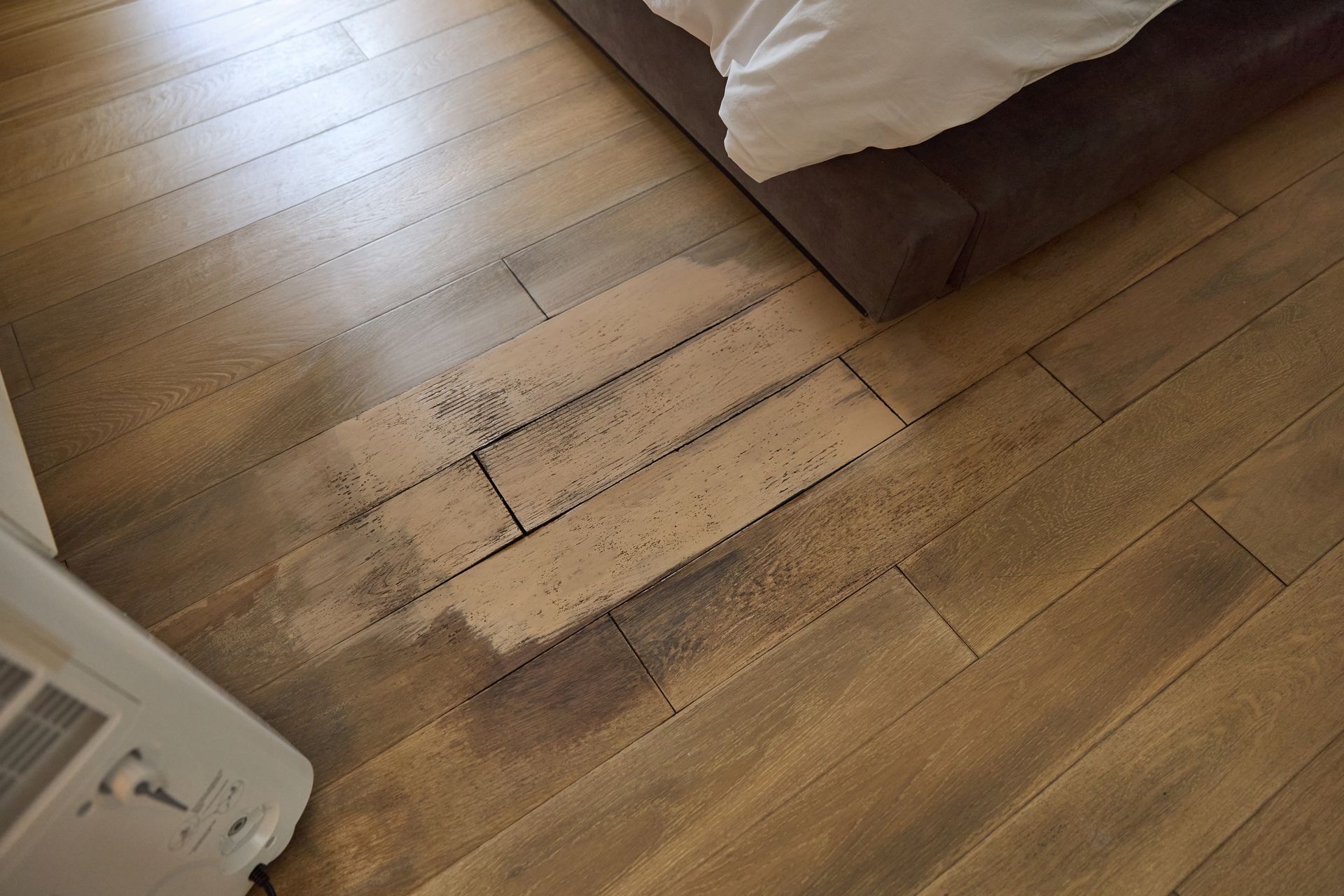
Once drying is complete, you'll notice that carpet no longer feels damp or spongy when you walk on it, hardwood planks return to a level surface without cupping at the edges, and any musty odor that developed during the water event is gone. Padding that was replaced feels firm underfoot, and subflooring that was stabilized no longer shows signs of swelling or separation. These changes mean your floors are structurally sound again and won't develop hidden problems weeks after the water loss occurred.
We coordinate closely with structural drying services for faster, more complete recovery, especially in Parker County properties where water can travel between rooms or into adjacent spaces. Our team is familiar with residential and commercial flooring materials used throughout the area, and we provide clear guidance on whether restoration or replacement makes sense for your situation. This service is commonly requested after pipe bursts, appliance leaks, and storm-related water intrusion, and it works best when started as soon as possible after the water event.
What to ask before committing to floor restoration
Homeowners in Weatherford often want to know whether their floors can truly be saved, how long the process takes, and what signs indicate that replacement is the better option. These answers cover the practical concerns that come up most often during the assessment phase.
How do you decide if flooring can be restored?
We look at the type of water involved, how long it's been sitting, and the condition of the materials. Carpet exposed to clean water for less than 48 hours is usually salvageable, while contaminated water or extended exposure often requires replacement.
What happens to the carpet padding?
Padding almost always needs to be removed and replaced because it holds moisture and contaminants that can cause odor and mold growth. We extract it, dry the subfloor, and install new padding before reinstalling your carpet.
Can hardwood flooring be saved after water damage?
Hardwood can often be stabilized if drying starts quickly and moisture hasn't caused severe cupping, crowning, or separation. We use floor drying mats and dehumidifiers to pull moisture from the wood and monitor progress to prevent warping.
How long does floor restoration take?
Carpet drying typically takes three to five days depending on the extent of water damage, while hardwood may require a week or more to stabilize fully. We monitor moisture levels daily and adjust equipment until readings confirm that materials are dry.
Will my floors look the same after restoration?
If drying happens quickly, most carpet and hardwood return to near-original condition. Staining, warping, or discoloration may occur if water sat too long or if contaminants were present, and in those cases we'll recommend replacement for affected sections.
Crain Restoration Services provides carpet and floor restoration throughout Weatherford and Parker County, with fast response to minimize disruption and get your property back to normal quickly. If water has affected your flooring and you need an honest evaluation of what can be saved, reach out to schedule an assessment and begin the restoration process.